


ChuangBiao EI Transformer Factory Supporting Flexible Industry Applications
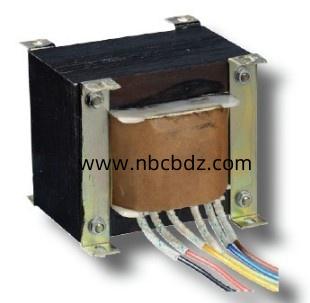
When considering electrical component manufacturing, an EI Transformer Factory plays a crucial role in supporting industries that rely on stable, efficient, and adaptable energy solutions. By producing these essential devices, such facilities contribute to applications ranging from consumer electronics to industrial machinery, ensuring that electrical currents are safely managed and converted for practical use.
One of the central values of such factories is their ability to ensure consistency in production. Transformers are expected to perform under continuous load, often in challenging conditions, and factories dedicated to EI designs must apply rigorous quality standards. Each stage—from core assembly to winding and insulation—requires a balance of precision and reliability.
The adaptability of EI transformers is another reason why factories remain in demand. They can be customized to fit varied specifications, enabling use in devices where compact size, durability, or cost-effectiveness is a priority. For instance, some units are designed for small electronics, while others are scaled up for larger machinery. This flexibility allows manufacturers to serve multiple industries without redesigning entire systems.
Efficiency is equally important. Factories that specialize in EI transformers often employ advanced processes to minimize energy loss, helping devices run more smoothly and with less heat generation. Over time, such improvements contribute to lower operating costs for end-users, while also aligning with the growing emphasis on sustainable energy practices.
Durability also matters. Because transformers are not items replaced frequently, their design must withstand years of operation. Careful material selection, thorough testing, and strict assembly protocols ensure that the final products deliver long-term stability. In this way, the role of the factory extends beyond simple assembly—it reflects a commitment to dependability.
In addition to product reliability, these factories must adapt to global market demands. As industries evolve, there is a rising expectation for compact designs, improved performance, and compliance with international standards. Modern facilities are therefore integrating automation, testing systems, and upgraded production methods to keep pace with these requirements.
For buyers, working with a dedicated EI transformer facility means gaining access to a blend of expertise, customization, and consistent output. Whether supplying small businesses or global operations, such factories provide the foundation for safe and effective energy management in countless applications.
For more details, visit https://www.nbcbdz.com/product/
 French
 English
 Arabic
 Spanish
 Portuguese
 Deutsch
 Turkish
 Dutch
Dutch
 Italiano
 Russian
 Romaian
 Portuguese (Brazil)
 Greek
Greek